
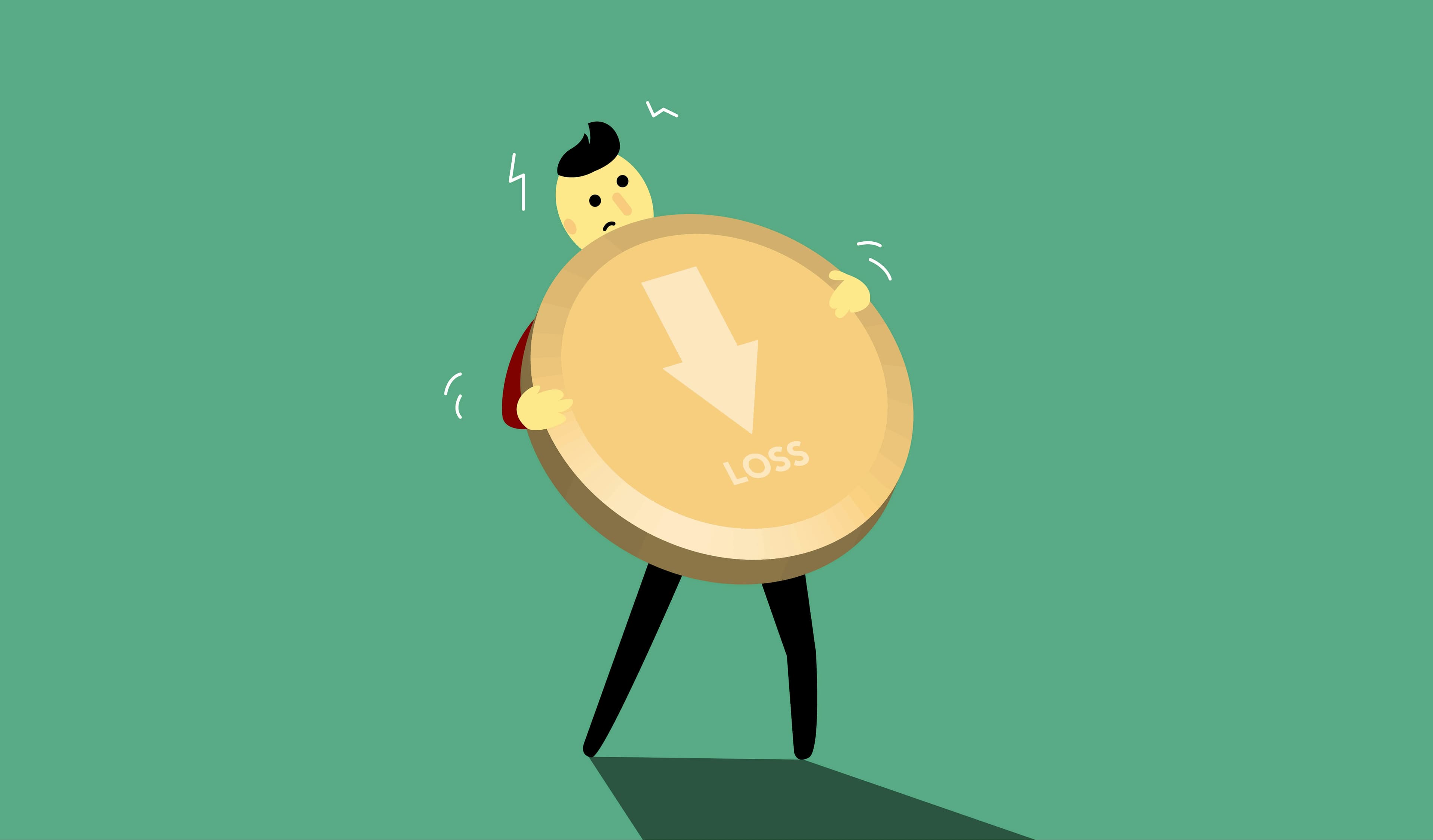
“Set it and forget it” sounds responsible.
You picked a price. Customers are buying. No one’s complaining. Revenue is stable.
So why touch it?
Because static pricing doesn’t fail loudly - it leaks quietly.
While founders watch churn and conversion dashboards, the real damage happens somewhere harder to see: opportunity cost. And by the time it shows up in metrics, the money is already gone.
Opportunity Cost Is the Revenue You Never See
Most founders think pricing risk looks like churn.
It doesn’t.
Static pricing almost never causes customers to leave. It causes something far more dangerous: customers paying less than they would have.
Opportunity cost is:
- The upgrade you never offered
- The price increase you postponed
- The market signal you ignored
Unlike churn, opportunity cost doesn’t trigger alerts. Your MRR looks “fine” - just permanently smaller than it should be.
That’s the hidden cost.
Real Scenarios Where Static Pricing Hurts MRR
This isn’t theoretical. These are everyday founder mistakes.
1. Traction Arrives - Pricing Doesn’t Move
You launch at $19/month to reduce friction. Product-market fit clicks. Retention improves. Your product becomes critical.
Your price stays the same.
New users would happily pay $29 or $39 - but they never get the chance. Every new signup locks in lost MRR forever.
2. Competitors Adjust - You Stay Put
A competitor raises prices after adding features. Another drops prices to chase volume. A third reframes the category as “premium.”
You don’t notice.
Your price now sits in the wrong position:
- Too cheap to signal value
- Too expensive for budget buyers
- Perfect for no one
Static pricing turns market movement into margin erosion.
3. Discounts Become the Default
You add promos to “help conversions.” They work - once. So you keep them.
Over time:
- Full-price purchases vanish
- Discounts become expected
- Your real price is no longer your listed price
That’s not optimization. That’s slow pricing decay.
4. Your Best Customers Subsidize Your Worst Ones
With static pricing:
- Power users pay the same as casual users
- High-value accounts get enterprise-level benefit at startup prices
No complaints, sure - but also no alignment between value delivered and value captured.
You’re running a premium product on entry-level economics.
“No Complaints” Does Not Mean Correct Pricing
Founders often say:
“If pricing was wrong, customers would tell us.”
They won’t.
Customers complain when prices are too high. They stay quiet when prices are too low.
Silence usually means:
- The price feels safe
- The value exceeds expectations
- There’s no urgency to reevaluate
Ironically, the absence of complaints is often the strongest signal you’re underpricing.
Static Pricing Is Still a Decision - Just a Passive One
Doing nothing feels neutral. It isn’t.
When you don’t adjust pricing, you are actively choosing:
- Yesterday’s assumptions
- Last year’s competitors
- An outdated view of customer value
Inaction is not the absence of a pricing strategy. It is the pricing strategy - and it compounds against you every month.
The Takeaway: Pricing Needs Motion, Not Memory
Great pricing isn’t about constant changes. It’s about constant awareness.
That means:
- Monitoring competitor movement
- Tracking conversion and willingness to pay
- Testing adjustments instead of fearing them
Founders who “set it and forget it” don’t lose customers. They lose ceiling.
And the most expensive revenue loss is the one you never knew you had.